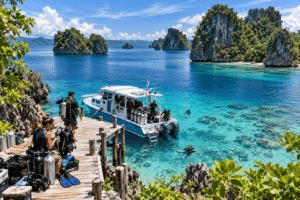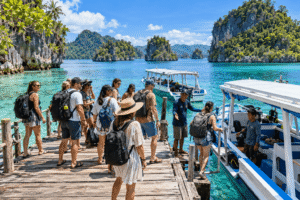
Banggai is becoming one of Central Sulawesi’s most exciting coastal destinations, known for clear lakes, white-sand beaches, hidden islands, and colorful underwater life. From relaxed snorkeling to deeper reef exploration, the region gives travelers plenty of reasons to spend more time in the water.
But diving is not the same as a casual beach activity. A sudden medical issue, damaged equipment, canceled connection, or the need for evacuation from a remote island can quickly turn an unforgettable trip into a stressful situation. That is why choosing the right travel insurance for diving in Banggai should be part of your travel planning, not an afterthought.
Why Travel Insurance Matters for Diving in Banggai
Banggai offers incredible marine scenery, but many dive and island locations are reached by boat and may be far from major medical facilities. Travelers often combine diving with island hopping, snorkeling, hiking, waterfall visits, and long overland transfers around Luwuk Banggai.
Travel insurance can help protect you from unexpected costs if something goes wrong before or during the trip. Standard travel insurance may cover common situations such as trip delays, lost baggage, and emergency medical care, but it does not always include scuba diving automatically.
Before purchasing a policy, check whether diving is listed as a covered activity. Some insurers classify diving as an adventure sport, which means you may need an additional sports or hazardous-activity extension.
Who Needs Diving Travel Insurance?
Travel insurance for diving in Banggai is strongly recommended for certified divers, beginner divers joining an introductory program, and travelers planning to spend significant time on boats or remote islands. It is also useful for photographers carrying expensive underwater gear and guests traveling from overseas or other Indonesian cities.
Even experienced divers can face risks that have little to do with their skills. Weather changes, ear problems, dehydration, equipment failure, marine currents, and travel disruptions can affect any itinerary.
Divers Visiting Remote Locations
Remote diving spots are part of Banggai’s charm, but distance can make emergency assistance more complicated. A policy with emergency medical support and evacuation coverage can provide valuable reassurance when you are traveling beyond the main town area.
Travelers With Connecting Flights
Many visitors reach Luwuk through domestic flight connections. If your flight is delayed, canceled, or your luggage arrives late, insurance may help cover eligible expenses depending on the policy terms.
Divers Carrying Personal Equipment
A dive computer, underwater camera, regulator, mask, fins, and wetsuit can represent a major investment. Baggage and equipment coverage may help if eligible gear is lost, delayed, stolen, or damaged during transit.
What Should Travel Insurance for Diving in Banggai Cover?
The best policy depends on your dive plan, certification level, medical history, and trip duration. However, a useful diving policy should provide more than basic holiday protection.
Look closely at the policy wording rather than relying only on marketing claims. Coverage limits, exclusions, and activity conditions can vary greatly between insurers.
Emergency Medical Expenses
Medical coverage is one of the most important benefits for divers. It may help pay for eligible treatment if you become ill or injured during your trip, including treatment for non-diving incidents such as food poisoning, a motorcycle accident, or a fall during a jungle walk.
Check whether the policy covers medical treatment in Indonesia and whether it offers direct assistance through an emergency hotline. A strong policy should also explain how the insurer handles hospital admission, payment guarantees, and follow-up care.
Diving-Related Injuries
Diving coverage should clearly include recreational scuba diving, not just snorkeling. Ask whether the policy covers conditions related to diving, including decompression illness, barotrauma, ear injuries, and lung-related emergencies.
You should also confirm that the insurer accepts the type of diving you plan to do. Some policies only cover guided recreational dives, while others may include more advanced diving with additional conditions.
Medical Evacuation and Repatriation
Medical evacuation is especially important when traveling to island and coastal areas. If suitable treatment is unavailable nearby, evacuation coverage may arrange and pay for transport to an appropriate medical facility, subject to the insurer’s approval and policy limits.
Repatriation coverage can also help if you need to return home for medical care. These services can be expensive without insurance, particularly when specialist transport or coordination across several locations is required.
Trip Cancellation and Interruption
Unexpected events can affect your itinerary before departure or while traveling. Depending on the policy, trip cancellation or interruption coverage may reimburse certain prepaid, non-refundable costs if you cannot travel for a covered reason.
Covered reasons often include serious illness, injury, or a major family emergency. However, every insurer defines these situations differently, so read the policy carefully before booking.
Delayed, Lost, or Damaged Baggage
Lost luggage can be more than an inconvenience when it contains dive essentials. Baggage benefits may help with eligible replacement items or reimburse the value of lost belongings, although expensive gear is often subject to separate limits.
If you travel with cameras, dive computers, or specialty equipment, consider declaring valuable items if your insurer allows it. Keep receipts, photographs, and serial numbers before leaving home.
How Deep Can You Dive With Insurance Coverage?
Depth limits are one of the most overlooked details in travel insurance for diving in Banggai. Many standard policies cover recreational diving only up to a certain depth, often within the range commonly associated with entry-level recreational certification.
Your actual coverage may depend on several factors:
- Your diving certification and logged experience
- The maximum depth stated in the policy
- Whether you dive with a licensed or qualified guide
- Whether you use standard air or technical gas mixtures
- Whether the dive involves wreck penetration, cave diving, or overhead environments
A policy may cover recreational dives within your certification limits but exclude technical diving, solo diving, decompression diving, or dives beyond the stated depth. Do not assume your advanced certification automatically guarantees coverage.
Ask the Insurer Before You Travel
If you plan deeper dives, night dives, drift dives, or specialized underwater photography sessions, contact the insurer before buying. Request written confirmation that your planned activities are included.
This simple step can prevent misunderstandings later. It also helps you choose a policy that matches your actual itinerary rather than a generic holiday package.
Common Policy Exclusions Divers Should Know
Insurance is designed to reduce financial risk, but it does not cover every situation. Understanding exclusions is essential before relying on any policy.
Common exclusions may include:
- Diving without the required certification or instructor supervision
- Diving beyond the maximum permitted depth
- Technical, commercial, military, or professional diving
- Cave diving, wreck penetration, or other overhead-environment dives
- Accidents involving alcohol, illegal drugs, or reckless behavior
- Pre-existing medical conditions that were not declared or accepted
- Damage to equipment caused by normal wear, poor packing, or negligence
- Claims linked to weather events that were already known before booking
Always disclose relevant medical conditions honestly. A condition that seems unrelated to diving can still affect a medical claim if it contributes to an emergency during the trip.
When Should You Buy Diving Travel Insurance?
Buy travel insurance soon after making your main trip payments, especially if you want cancellation protection. Waiting until the day before departure may leave you without coverage for events that occur before your trip begins.
For diving in Banggai, purchase your policy before booking non-refundable flights, accommodation, boat trips, and dive activities whenever possible. Keep a digital copy of the policy, emergency contact number, and confirmation of your diving coverage on your phone.
Plan Your Banggai Dive Trip With Confidence
Travel insurance for diving in Banggai is not about expecting the worst. It is about giving yourself practical protection so you can focus on the ocean, the islands, and the experience ahead.
Choose a policy that clearly covers your planned dive activities, appropriate depth range, emergency medical care, evacuation, and valuable equipment. Then travel with a trusted local partner that understands the route, timing, and realities of exploring Luwuk Banggai.
Explorer Banggai can help you plan an open trip, private trip, or custom itinerary that combines diving with destinations such as Paisupok Lake, Pulo Dua, Kawalu Bay, hidden beaches, waterfalls, and island adventures. Contact Explorer Banggai through explorerbanggai.com to arrange a flexible, transparent, and well-organized Banggai journey.