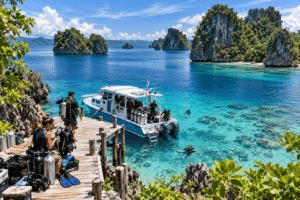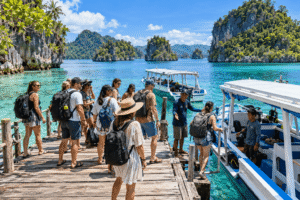
The Banggai Islands are more than a beautiful place to swim. They are the native home of the Banggai cardinalfish, a distinctive reef fish whose natural range is restricted to this Indonesian archipelago. Habitat destruction and collection for the aquarium trade threaten the species, making responsible travel here more than a passing trend.
For anyone exploring Central Sulawesi, banggai islands sustainable tourism starts with a simple question: how can your visit benefit the place you came to enjoy? The answer lies in everyday choices, from managing your rubbish to choosing local guides and giving marine life space.
You do not need a perfect packing list or a conservation qualification. You need curiosity, preparation, and a willingness to put the destination before the photograph.
What Banggai Islands Sustainable Tourism Really Means
Sustainable travel should be practical, not just promotional. For visitors, it means reducing avoidable waste, respecting wildlife, supporting local livelihoods, and following the rules of each place you enter.
It also means looking beyond an attractive eco-friendly label. Before booking, ask how an operator handles rubbish, briefs snorkelers, chooses boat moorings, and involves local communities.
Responsibility belongs to everyone. Travelers, guides, accommodation owners, boat crews, and conservation groups all have a part to play.
Where Responsible Travel Begins
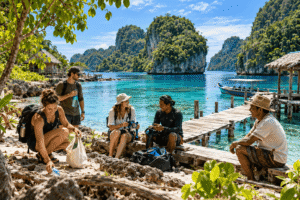
Explorer Banggai offers journeys across Luwuk and the wider Banggai area, with destinations including Paisupok Lake, Poganda Beach, Pulo Dua, and Piala Waterfall. Its activities range from snorkeling and diving to hiking and local community visits.
Rather than treating every stop as another photo opportunity, arrive ready to learn its boundaries. Ask where swimming is permitted, which paths to follow, and whether photography requires permission.
A lake, a reef, and a village need different kinds of care. Listen to site-specific instructions instead of assuming that an activity allowed elsewhere is appropriate here.
How to Manage Waste Beyond the Beach
A clean shoreline starts with what you bring aboard. Before leaving your accommodation, remove unnecessary packaging and pack snacks in reusable containers.
Carry a small, sealable rubbish bag for boat trips and walks. Keep wrappers, tissues, cigarette ends, and food scraps contained until you can hand them over through an appropriate waste collection arrangement.
Ask Where Your Rubbish Goes
Do not assume that placing waste in a bin completes the job. Ask your guide or accommodation where it will go and whether recyclable materials are collected separately.
If suitable disposal is unavailable at a remote stop, take your rubbish back with you. Avoid leaving it beside an overflowing bin or asking a resident to deal with packaging you brought.
For tourism businesses, clear waste instructions should be part of the departure briefing. Guests should know what to carry, where to store it, and who handles it afterward.
Reduce Plastic Before You Need It
Plastic reduction works best when it starts before departure. Pack a refillable bottle, a reusable shopping bag, and a lunch container you will actually use.
Ask whether your accommodation or tour provides safe drinking-water refills. Where refills are unavailable, prioritize safe water and keep empty bottles for appropriate disposal rather than taking unnecessary health risks.
Decline disposable straws, extra bags, and individually wrapped items when practical alternatives exist. These small decisions make responsible habits easier to maintain throughout the trip.
You do not need to replace all your belongings with new eco-branded products. Start with durable items you already own.
Protect Coral Without Missing the Experience
A rewarding snorkeling trip does not require contact with the reef. Green Fins guidance identifies practices such as touching coral, anchoring on reefs, and feeding fish as environmental concerns for marine tourism.
Keep your fins clear of coral and secure loose equipment before entering the water. If you are inexperienced, tell your guide and request a briefing or flotation support.
Choose Careful Boat and Water Practices
Ask how the crew avoids anchoring on coral and whether suitable moorings are available. A responsible operator should explain its approach rather than dismiss the question.
Underwater, resist the urge to hold coral for balance or stand on it for a photograph. Choose viewing spots that match your swimming ability, and leave the water if you cannot avoid contact.
Sun protection deserves planning too. Bring protective clothing and follow local guidance on sunscreen rather than treating a reef-friendly marketing label as a guarantee.
Keep Wildlife Encounters Wild
The Banggai cardinalfish offers a compelling reason to protect local habitats. NOAA identifies habitat destruction and aquarium collection as its main threats, so seeing wildlife should never become an excuse to capture, handle, or disturb it.
Watch animals without chasing, feeding, or repositioning them. If getting the picture requires changing the animal’s behavior, step back and let the moment pass.
Apply the same care at jellyfish lakes and other sensitive sites. Follow the guide’s instructions, avoid touching animals, and never request a staged wildlife encounter.
Leave shells, coral fragments, and other natural objects where you find them. A photograph or locally made craft makes a better souvenir than something removed from a habitat.
Who Benefits When You Spend Locally?
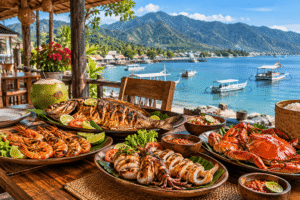
Where you spend matters as much as how you explore. Choose local guides, eat at locally operated establishments, and look for accommodation and transport providers with meaningful community involvement.
Before buying a souvenir, ask who made it and what materials it contains. Favor locally produced goods that do not rely on coral, protected wildlife, or questionable animal products.
Respect people as carefully as landscapes. Ask permission before taking portraits, dress appropriately for community visits, and negotiate politely without treating every purchase as a contest.
Conservation-minded visitors can also ask about legitimate local initiatives. Seek clear information about leadership, permissions, and how contributions are used before offering money or joining an activity.
When to Slow Down and Adjust Your Plans
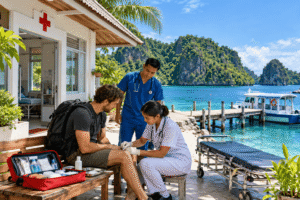
The right moment to visit a site depends on more than your schedule. Check current weather, sea conditions, access rules, and local guidance before committing to water activities.
Leave room for changes instead of pressuring a boat crew to travel in unsuitable conditions. A flexible itinerary allows you to enjoy another destination without making safety or conservation negotiable.
Avoid packing every available attraction into a rushed journey. Staying longer in fewer places gives you more time to understand them and makes it easier to build a sensible route.
Plan Thoughtfully With Explorer Banggai
Explorer Banggai offers shared and private trips, day excursions, multi-day packages, and custom itineraries. The company also advertises airport pickup at Syukuran Aminuddin Amir Airport in Luwuk, flexible planning, and transparent pricing without hidden fees.
Use that planning conversation to discuss your environmental priorities. Ask about waste arrangements, local suppliers, snorkeling briefings, and options for a slower-paced route before confirming your trip.
Banggai islands sustainable tourism comes down to protecting habitats, reducing waste, respecting wildlife, and supporting the people who call this region home. Contact Explorer Banggai through explorerbanggai.com to discuss a journey shaped around those priorities, so your visit brings back memorable experiences without leaving avoidable harm behind.