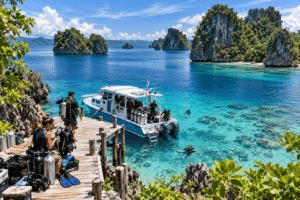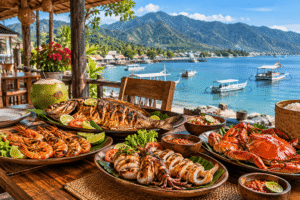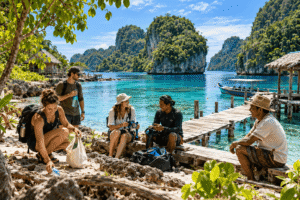
Banggai is home to several cultural communities, including the Saluan, Balantak, and Banggai peoples. Their distinct languages and traditions offer a compelling reason to explore beyond the scenery: this is a region with living cultural identities, not simply a collection of beautiful stops.
Understanding local culture and etiquette in Luwuk Banggai helps you approach those encounters with confidence. Whether you are meeting a village host or pausing beside a roadside stall, the most useful travel essential is respect.
This guide explains who you may meet, what respectful behavior looks like, where customs matter, when to ask permission, why small gestures count, and how to put them into practice.
Meet the People Behind the Landscape
There is no single cultural script for every community around Luwuk Banggai. Local sources describe a diverse region whose cultural life includes traditional dances, ceremonies, languages, and respect for community leaders.
Among the Saluan, a tradition of mutual assistance known as montulangi reflects cooperation between families and neighbors. Documented examples include helping with farming, building houses, celebrations, and times of bereavement.
For visitors, the practical lesson is simple: treat community spaces as places where people live and work. A village visit should follow residents’ routines, rather than require residents to rearrange their day for your itinerary.
Dress for the Place You Are Visiting
Comfortable clothing and cultural consideration can work together. General Indonesian travel guidance recommends modest dress in towns, villages, and religious settings, with lightweight clothing that covers shoulders and knees as a sensible starting point.
From Swimming Spots to Village Streets
Pack a loose shirt, breathable trousers, or a longer skirt alongside your swimwear. Keeping a cover-up within reach makes it easy to move from a swimming stop to a shop, restaurant, or residential area.
Swimwear belongs at appropriate swimming locations, rather than on village streets or inside everyday businesses. Change or cover up before continuing your journey.
Entering Religious Spaces
Ask about the dress requirements before entering a place of worship. Some venues may require additional coverings, and visitors should respect any areas reserved for prayer or restricted access.
Do not assume that the rules at one site apply everywhere. Let the caretaker or your guide explain what is appropriate.
Start Conversations with a Friendly Greeting
You do not need fluent Indonesian to make a considerate introduction. A smile and a gentle greeting are useful starting points, while simple Indonesian phrases can help break the ice.
Useful phrases include:
- Selamat pagi: Good morning.
- Selamat siang: Good afternoon.
- Selamat sore: Good late afternoon.
- Terima kasih: Thank you.
Give people time to respond, and avoid turning an introduction into an immediate request for a photograph. When language becomes a barrier, a calm manner and patient guide can help keep the exchange comfortable.
Local Culture and Etiquette in Luwuk Banggai During Visits
The clearest rule for visiting homes and communities is to ask rather than assume. Indonesian etiquette guidance emphasizes permission before entering private buildings, land, or ceremonial spaces.
Visiting Someone’s Home
Pause at the entrance and wait for an invitation. If shoes are left outside, check whether you should remove yours, then allow your host to indicate where to sit.
Keep the visit considerate of the household’s time. An invitation to come inside does not automatically include permission to explore other rooms or photograph personal belongings.
Joining Community Activities
Observe before participating, particularly during a celebration or ceremony. Ask your host where visitors should stand, whether participation is welcome, and whether any parts of the event are private.
Treat an invitation as a chance to learn, not permission to direct the occasion. Cultural photography guidance specifically recommends checking permission before recording special ceremonies, since some communities prohibit it.
Take Photographs Without Taking Liberties
A memorable photograph should begin with a comfortable interaction. Ask permission before photographing someone, especially in a village, home, or ceremonial setting, and accept a refusal without negotiation.
People and Everyday Moments
Make your intention clear before lifting the camera. A person may welcome conversation but prefer not to appear in your travel photographs.
For children, ask a parent or guardian and pay attention to the child’s comfort. Avoid publishing identifying details or turning a private family moment into social media content.
Ceremonies and Sensitive Spaces
Confirm whether photography is allowed before an event begins. Some religious or cultural spaces restrict photographs, flash, tripods, or drones, so check the site’s rules instead of assuming your equipment is permitted.
Never move objects, interrupt prayers, or ask participants to repeat a meaningful action for your camera. When photography is unwelcome, put the equipment away and enjoy being present.
Notice the Habits That Shape Daily Life
Understanding local culture and etiquette in Luwuk Banggai means paying attention to ordinary moments, not only formal traditions. The region’s documented emphasis on mutual assistance offers a useful reminder that community relationships matter.
During your visit, leave room for conversation without expecting everyone to stop working. A vendor, boat crew member, or village resident may be happy to talk, but they also have responsibilities beyond your holiday.
Keep your voice measured in shared spaces and avoid treating friendliness as unrestricted access. Homes, workshops, fields, and ceremonial areas remain part of everyday life, even when they look interesting to visitors.
Check the Rules Before Each Stop
Before entering a village, religious site, or private property, clarify access and behavior with the person responsible. General etiquette guidance supports asking permission and respecting restricted areas rather than relying on assumptions.
Use a quick check before each visit:
- Is this area open to visitors?
- Does my clothing suit the setting?
- May I photograph people or the activity?
- Are there places I should not enter?
- Is this a convenient time to visit?
These questions keep the interaction straightforward. They also help distinguish genuine permission from a visitor’s guess.
Explore with a Thoughtful Local Travel Partner
A well-planned itinerary should make room for cultural consideration as well as sightseeing. Tell your travel partner whether you want community encounters, nature-focused days, or a balance of both, so expectations are clear before departure.
Explorer Banggai offers open trips, private trips, and custom itineraries, with flexible planning and airport pickup at Syukuran Aminuddin Amir Airport in Luwuk. Its range of day trips and longer journeys allows you to discuss a pace that suits your interests.
When planning through explorerbanggai.com, ask how community visits are arranged and which etiquette requirements apply at each stop. Make cultural guidance part of the conversation, rather than an afterthought.
Understanding local culture and etiquette in Luwuk Banggai comes down to dressing thoughtfully, greeting people warmly, asking permission, and following your hosts’ guidance. Contact Explorer Banggai through explorerbanggai.com to discuss a journey that pairs beautiful discoveries with genuine consideration for the people who call this region home.