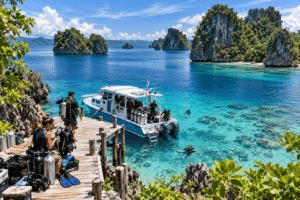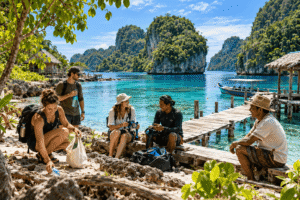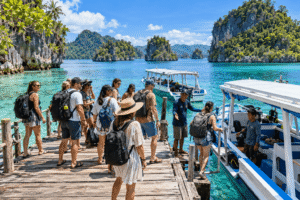
Banggai lies within the Coral Triangle, a region celebrated for its extraordinary marine biodiversity. Reaching its island destinations often involves a flight to Luwuk followed by a boat transfer, so your packing decisions matter before you even enter the water.
A forgotten mask strap is inconvenient anywhere. When your itinerary includes island crossings and several days away from your usual dive shop, that small oversight can become a bigger disruption.
This banggai islands packing list for divers covers equipment, documents, medication, clothing, gear protection, and personal essentials. Whether you are a beginner, an experienced diver, or a marine traveler joining the snorkeling stops, the goal is simple: pack thoughtfully without carrying your entire cupboard.
Who Should Use This Packing Checklist?
New divers should prioritize comfortable personal equipment and clear communication with their chosen operator. Experienced divers can adapt the checklist to their equipment preferences, certification level, and planned activities.
Snorkelers can skip scuba-specific items while keeping the document, clothing, health, and waterproofing essentials. Mixed groups should confirm which activities suit each traveler before finalizing the itinerary.
What Goes in Your Banggai Islands Packing List for Divers?
Build your bag around what you will actually use, not every accessory you own. Confirm rental availability and certification requirements with your diving provider before deciding what to leave behind.
Diving Equipment You Should Check First
Comfort deserves priority, especially for items that must fit properly. Pack familiar equipment where practical, and test it before departure rather than discovering a problem on the boat.
- Well-fitting mask and snorkel.
- Fins and suitable booties, if required.
- Exposure protection matched to your planned dives.
- Dive computer you know how to operate.
- BCD and regulator set, unless suitable rentals are confirmed.
- Surface marker buoy and spool appropriate to your training.
- Spare mask strap, fin straps, and approved small spares.
- Dive log or digital logging app.
- Dive light and compatible charging equipment, if needed.
Ask your provider what is included, what sizes are available, and whether equipment can be reserved. Also confirm cylinder and regulator compatibility before bringing your own setup.
Documents That Belong in Your Hand Luggage
Keep essential paperwork accessible rather than buried beneath wet clothing. Printed backups are useful when your phone battery runs low or you cannot retrieve an online booking.
- Passport or identification appropriate to your journey.
- Relevant entry documents, where applicable.
- Diving certification card or accessible digital certification.
- Recent dive log, if requested.
- Insurance documents showing the diving coverage you need.
- Medical clearance, if required by your provider.
- Flight, accommodation, and transfer confirmations.
- Emergency contacts and insurer assistance details.
- Offline copies of important documents.
Check your policy wording instead of assuming ordinary travel insurance includes scuba activities. Keep another copy of your documents separate from the originals.
Medication and Personal Health Supplies
A compact health pouch belongs on your checklist, not at the bottom of your suitcase. DAN includes medications and basic first-aid supplies in its travel preparation guidance.
- Regular prescription medication in its original packaging.
- Prescription copies and relevant medical information.
- Personal first-aid supplies, including dressings and medical tape.
- Any clinician-approved travel medication.
- Personal hygiene products and hand sanitizer.
- Insect repellent.
- Sun protection suitable for your activities.
Discuss new medication and fitness-to-dive questions with a qualified clinician before traveling. Do not use medication to push through an illness or symptom that could make diving unsafe.
Clothing for Boats, Beaches, and Inland Stops
Your trip may include more than reef time. Explorer Banggai lists snorkeling and diving alongside hiking, jungle trips, waterfalls, and lake visits, so pack for both water activities and dry-land exploring.
- Quick-drying tops and shorts.
- Swimwear and a rash guard.
- Lightweight long sleeves and trousers.
- A breathable outfit for village visits.
- A light rain jacket.
- A sun hat and sunglasses.
- Secure sandals for everyday use.
- Walking shoes suited to your planned trails.
- Underwear, sleepwear, and a compact towel.
- A separate bag for damp clothing.
Choose clothing that works across several activities. Confirm the terrain and access arrangements for your itinerary before deciding whether heavier footwear is worth the luggage space.
Protection for Dive Gear and Electronics
Think about the journey your bag will make, not just the flight. Boat transfers are part of many Banggai itineraries, making accessible waterproof storage a sensible packing priority.
- Dry bag for your boat-day essentials.
- Waterproof pouch for your phone and documents.
- Padded cases for fragile equipment.
- Protective mask box.
- Lens cloth and camera maintenance supplies.
- Charging cables, spare batteries, and suitable chargers.
- Luggage labels and internal contact details.
- Separate storage for wet and dry items.
Keep delicate items from pressing against heavy equipment. Follow manufacturer instructions for camera housing seals, and check your airline rules before packing batteries or power banks.
Personal Items That Are Easy to Forget
These smaller essentials rarely make exciting packing photos. However, they often make the difference between an organized boat day and a frustrating search through your luggage.
- Refillable drinking bottle.
- Personal toiletries and menstrual products.
- Cash for local expenses.
- Phone with important information saved offline.
- Charging adapter suited to your accommodation.
- Small day bag.
- Familiar snacks appropriate to your needs.
- Reusable bag for your rubbish.
Explorer Banggai specifically recommends bringing cash, light clothing, sun protection, personal items, and personal medication. Ask what facilities your actual route offers rather than relying on assumptions about every island.
When Should You Pack and Check Everything?
Start before the final evening so there is time to replace worn straps, locate documents, and resolve rental questions. Lay everything out by category, then remove duplicates.
Protect time in your itinerary as carefully as you protect your equipment. Flying after diving increases decompression stress, and DAN recommends a preflight surface interval that depends on your dive profile; confirm the applicable guidance when arranging your return journey.
Where Will Your Itinerary Take You?
A diving-focused trip and a lake-and-waterfall holiday do not need identical bags. Explorer Banggai offers destinations including Paisupok Lake, Pulo Dua, Kawalu Bay, Poganda Beach, and Piala Waterfall, allowing travelers to combine different experiences.
Ask which stops are included, where you will sleep, and how transfers work. Then confirm diving arrangements separately, including equipment, supervision, site suitability, and emergency procedures.
How Explorer Banggai Helps You Prepare
Explorer Banggai offers shared open trips, private trips, and custom itineraries, with options ranging from day outings to longer stays. Its website also lists airport pickup at Syukuran Aminuddin Amir Airport, flexible itineraries, and transparent pricing without hidden fees.
Before booking, share your certification level, equipment needs, and preferred balance of diving and sightseeing. Ask for written inclusions so you know exactly what to pack and what your trip provides.
Pack for the Experience, Not Just the Photo
The best banggai islands packing list for divers keeps the essentials covered: reliable equipment, accessible documents, personal medication, practical clothing, and protection for your belongings. Pack around your confirmed itinerary, and leave room to enjoy the journey.
Contact Explorer Banggai through explorerbanggai.com to discuss your route, transfers, and activity preferences. A little preparation now means fewer distractions when it is time to explore Luwuk Banggai.